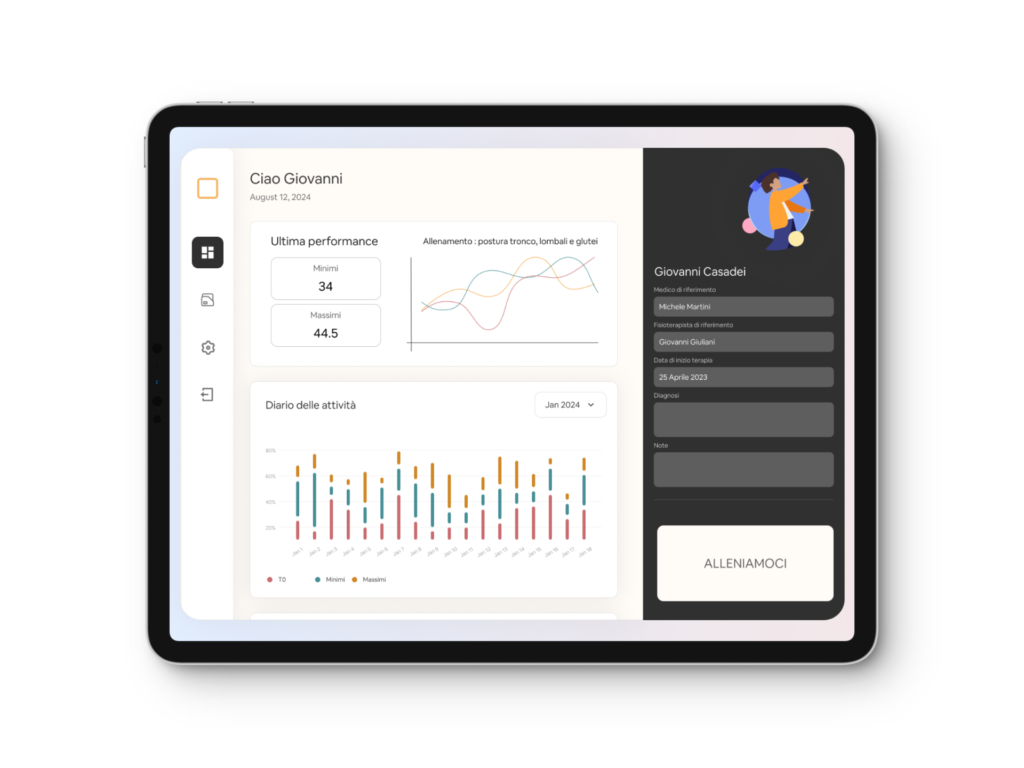


PHEASY-Biofeedback as a Tool for Improving Rehabilitation Performances
The challenge
Investigating the digital transformations occurring in physiotherapy presents an exciting challenge. My thesis focuses on biofeedback and its role in enhancing training experiences. This led me to explore how biofeedback can be crucial in creating personalized therapies within a specialized context embracing advanced technologies. Leveraging these insights, I identified a space for implementing an innovative user experience, revolutionizing the therapeutic journey through sound design principles and a user-centered design method.
PROJECT INFO:
March – October 2023 Solo thesis
Discover
Desk research
The concept of biofeedback can be identified as the starting point of my dissertation and the design process that follows.
A heartbeat, muscle contraction, or a change in blood pressure are examples of biofeedback produced by our body.
My collaboration with Villa Beretta, a renowned clinic specializing in post-stroke rehabilitation, has been instrumental in deepening my understanding of this mechanism.
Here, I could clarify my research question and complete the initial phase of my process.
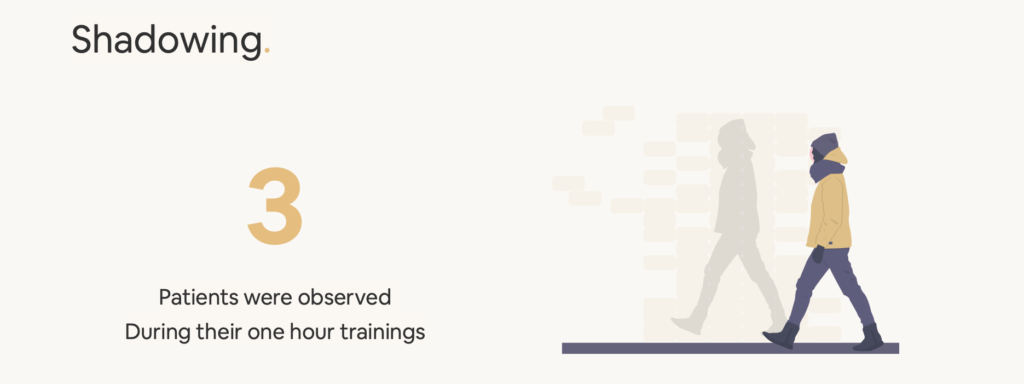
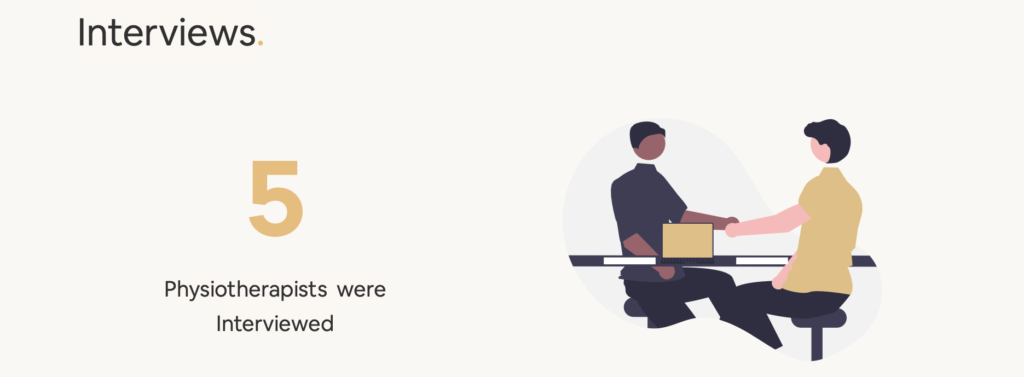
While at Villa Beretta, I had the privilege of organizing shadowing sessions. I closely observed the rehabilitation process to understand its current practices comprehensively. Additionally, I conducted in-depth interviews with various professionals and stakeholders in the field, who graciously shared their valuable insights and perspectives on the present rehabilitation state.
Define
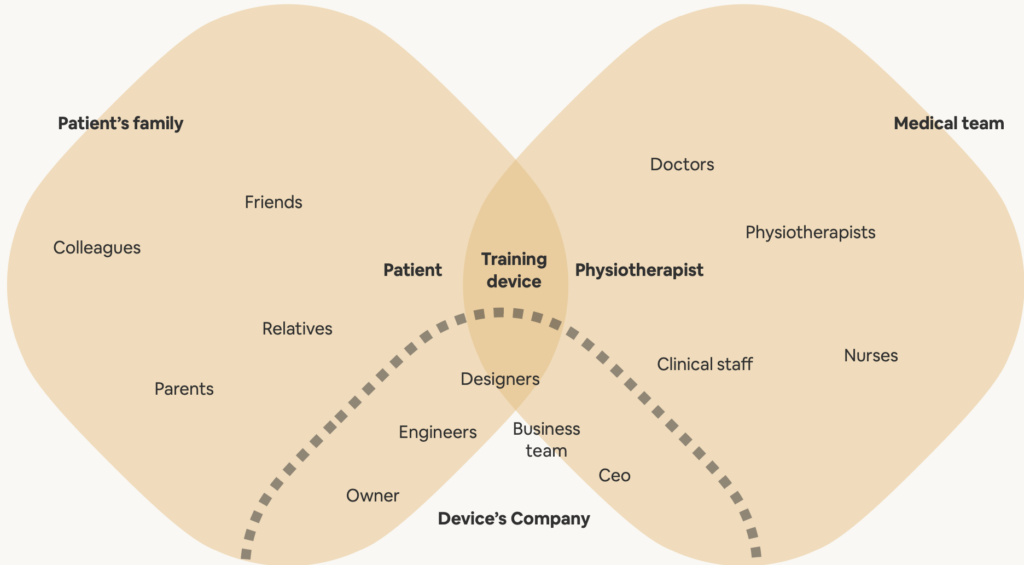
I began synthesizing the information after collecting data and conducting extensive desk research. First, I identified the key players in the situation and created a stakeholder map. This highlighted the main actors—the physiotherapist and the patient—and all the secondary actors involved in the experience.
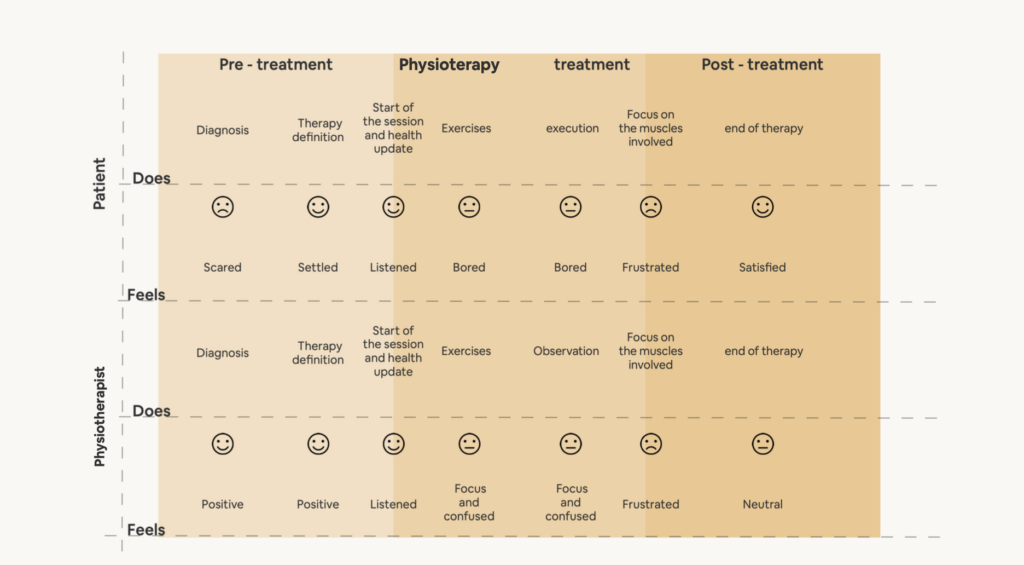
Thanks to shadowing, I could create a journey map of the experience. I decided to highlight the patient’s and the physiotherapist’s expertise and generate a correlation.
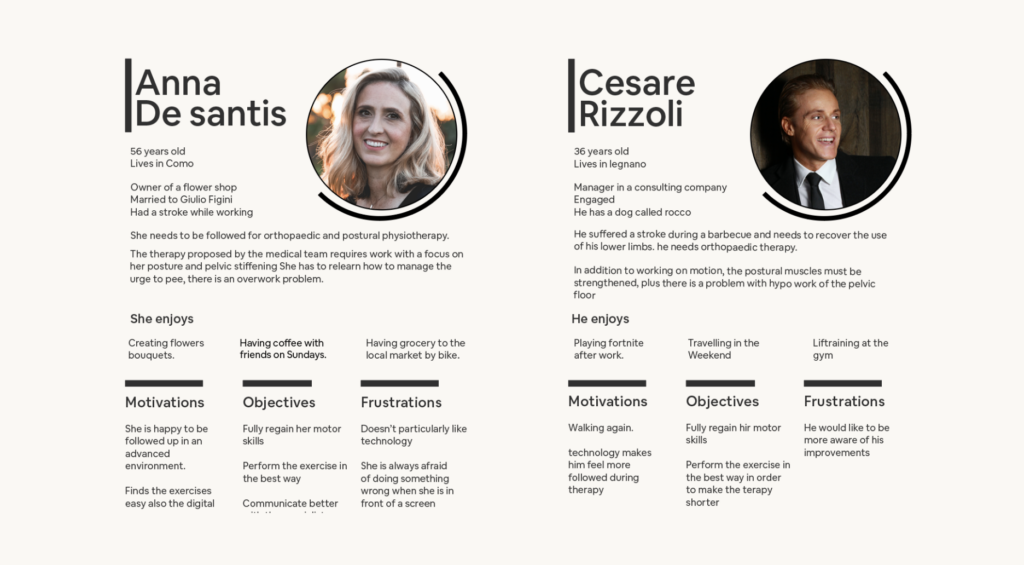
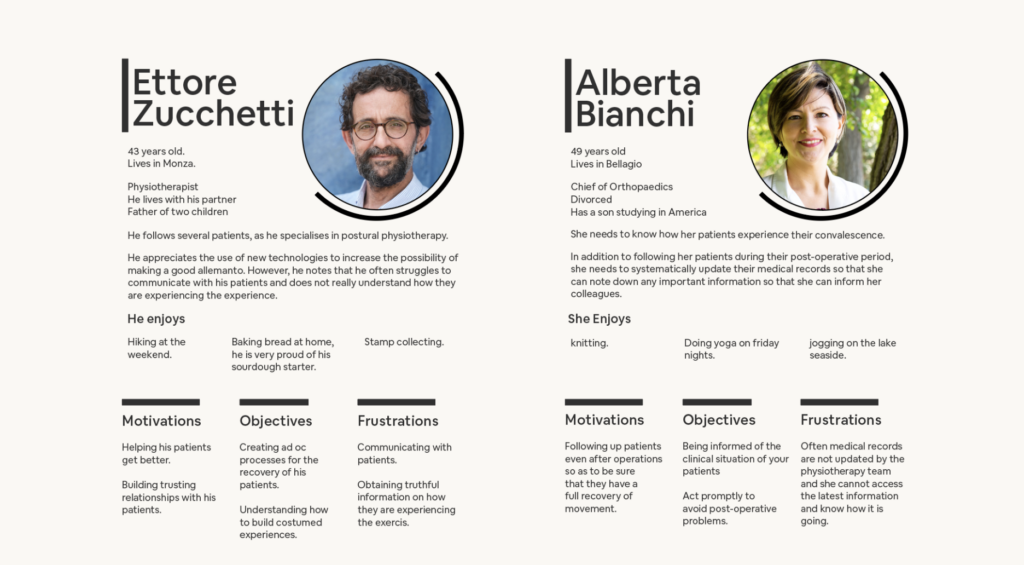
The interviews with the eight physiotherapists and shadowing led me to create personas. These not only defined the target audience but also outlined the needs of the two protagonists.
BRIEF
Through thorough desk research, I have created a reference brief. This brief sets the boundaries for the design development process to ensure clarity and direction.
“Can we design an artifact that enhances collaboration between patient and therapist and creates a smoother experience by involving technologies and a user-centered approach?”
Design choices
Before diving into the concept creation phase, I considered who I was designing for, with two distinct targets in mind: the patient and the physiotherapist. However, catering to both targets posed a risk of making the entire process unsuccessful because it introduced too many specifications. It’s important to note that despite creating specific personas, developing a patient archetype is challenging due to the complex and unique nature of stroke, which involves a variety of unpredictable orthopedic and cerebral consequences, making each patient’s physiotherapy journey unique.
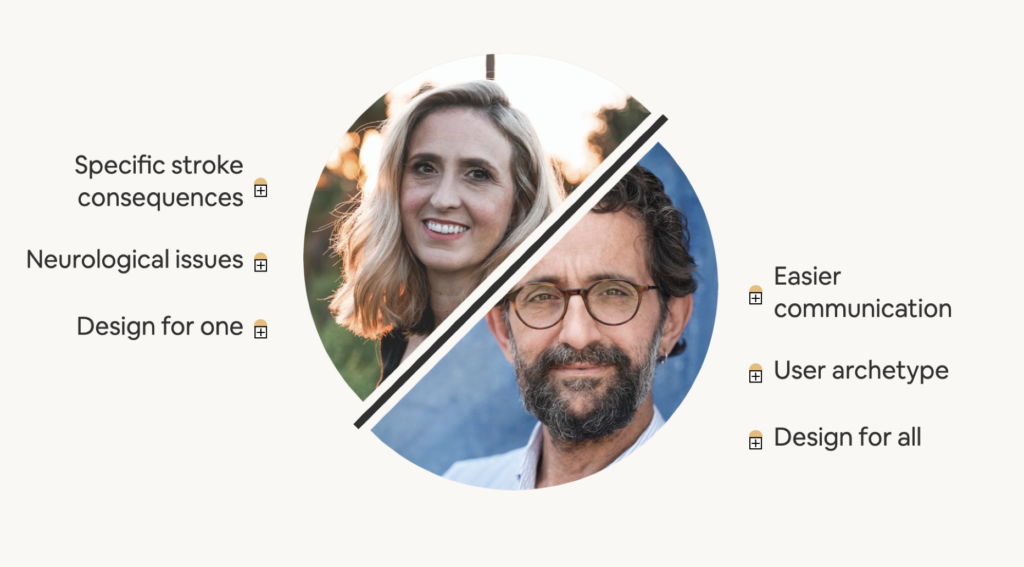
While fascinating and challenging, designing for patients with physical and cerebral deficits requires a lot of time to validate each step taken during the process and also involves building a design-for-one solution, not a design-for-all solution. This is why the focus of my project was accentuated on the physiotherapist, a figure who allows me to design for a broader and more defined target group.
Develop
prototypes + validation
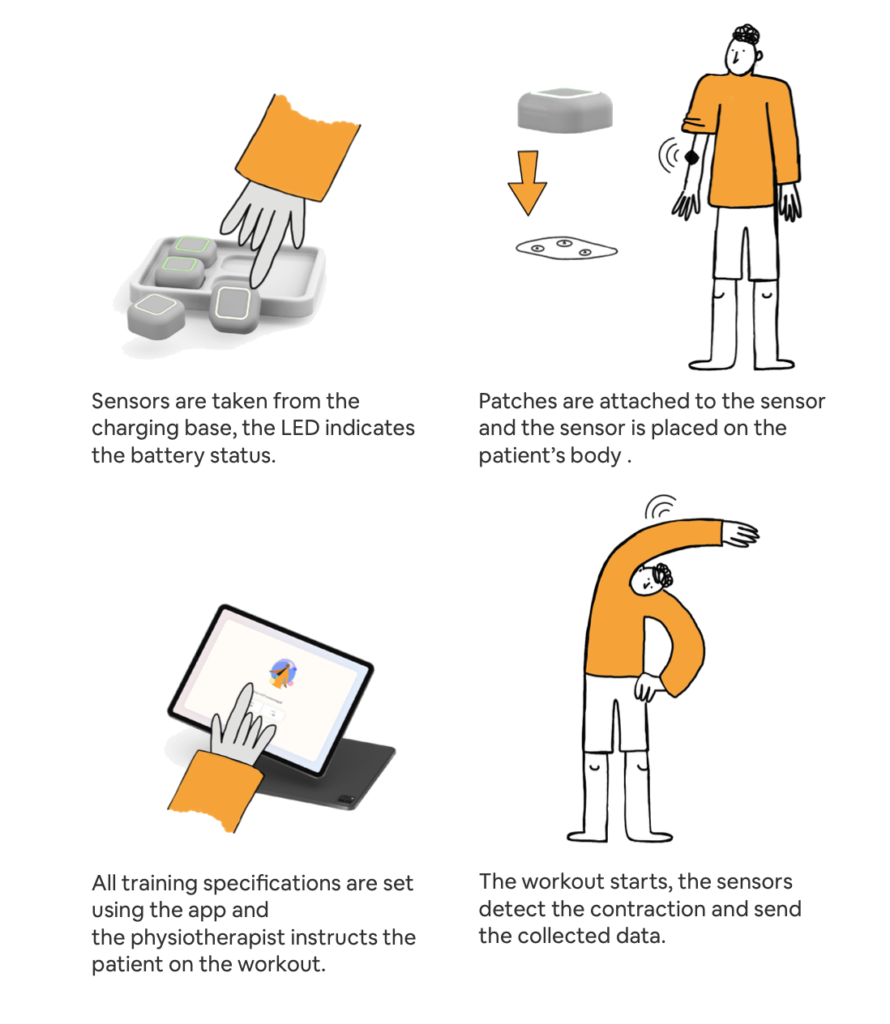
In my current research phase, I’m focusing on delving into the intricacies of electromyography (EMG) technology. This advanced technology employs sensors and electrodes strategically positioned on the body to monitor and quantify muscle contractions accurately. The resulting data is displayed on a screen, allowing in-depth analysis and interpretation.
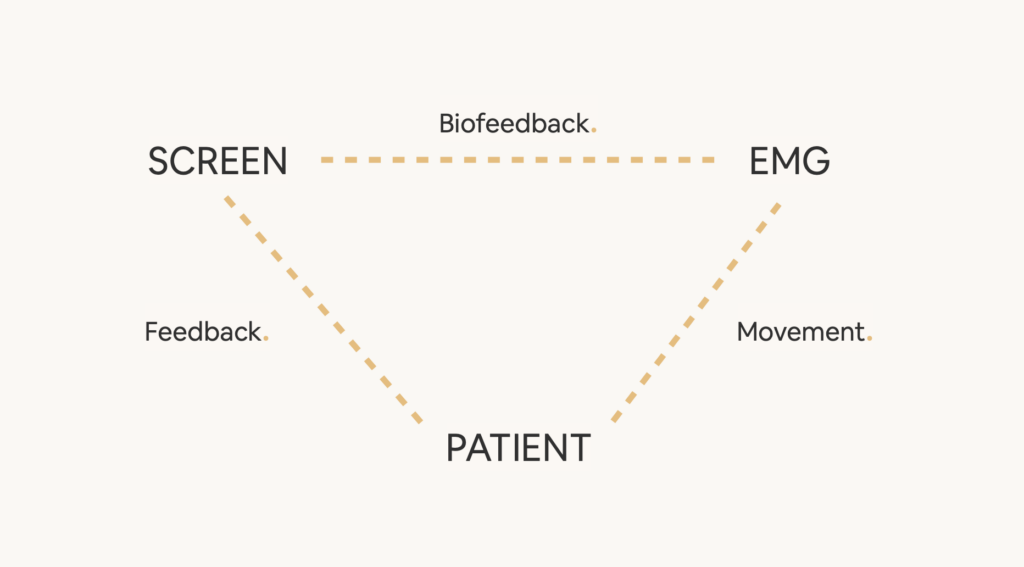
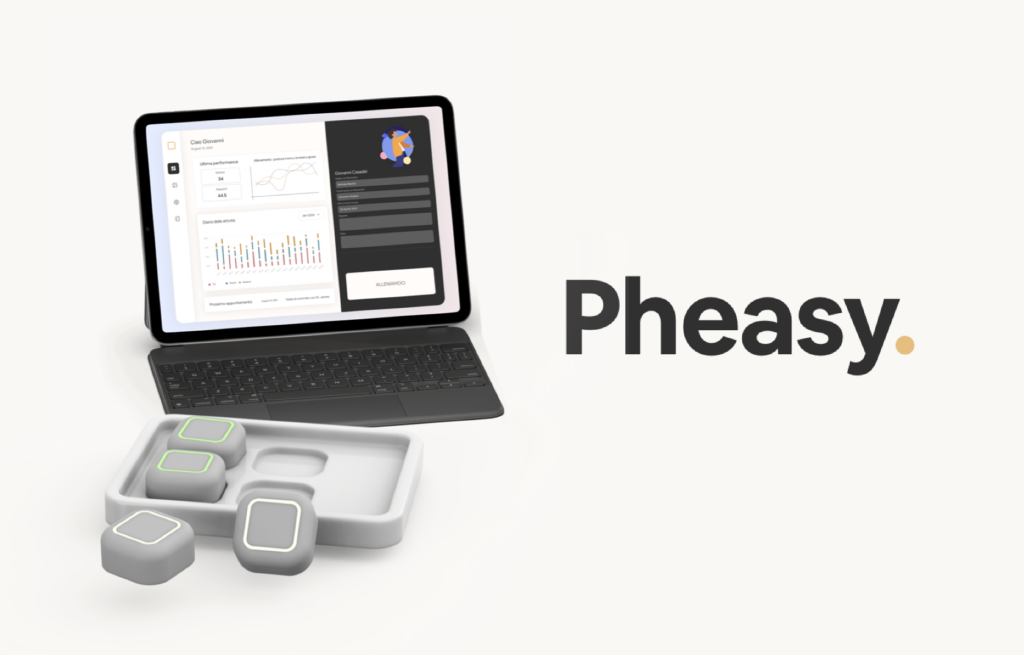
I started with this technology and envisioned creating a minimum viable product (MVP) that utilizes EMG sensors to collect data from a patient’s exercise and then present that data on a screen. This concept ultimately led to the development of Pheasy.
How to use
User test
To assess the potential impact of my project on user experience, I developed a functioning physical prototype. I conducted tests in a clinical setting to observe how users interacted with the digital platform. Eight physiotherapists at Villa Beretta participated in testing the Pheasy app, during which they were tasked with performing various actions, such as setting up a new user account or initiating a training session.
Delivery
The data collected from these tests was precious. This data was used to significantly improve the user experience, particularly by enhancing data processing and refining various menu sections.
After completing my thesis and project, I have successfully addressed my initial research question and have summarized my conclusions. Nevertheless, I recognize that this project is an ongoing endeavor with numerous future opportunities for further exploration and development.
Want to know more?!
Check my thesis:
https://www.politesi.polimi.it/handle/10589/210711